


From First Trial to Long-Term Partnership | Rolling Springs × Shu-Long Orchid
From First Trial to Long-Term Partnership | Rolling Springs × Shu-Long Orchid
When a microbial product enters a professional orchid production system, the real question is not whether it works the first time—but whether growers choose to keep using it season after season.
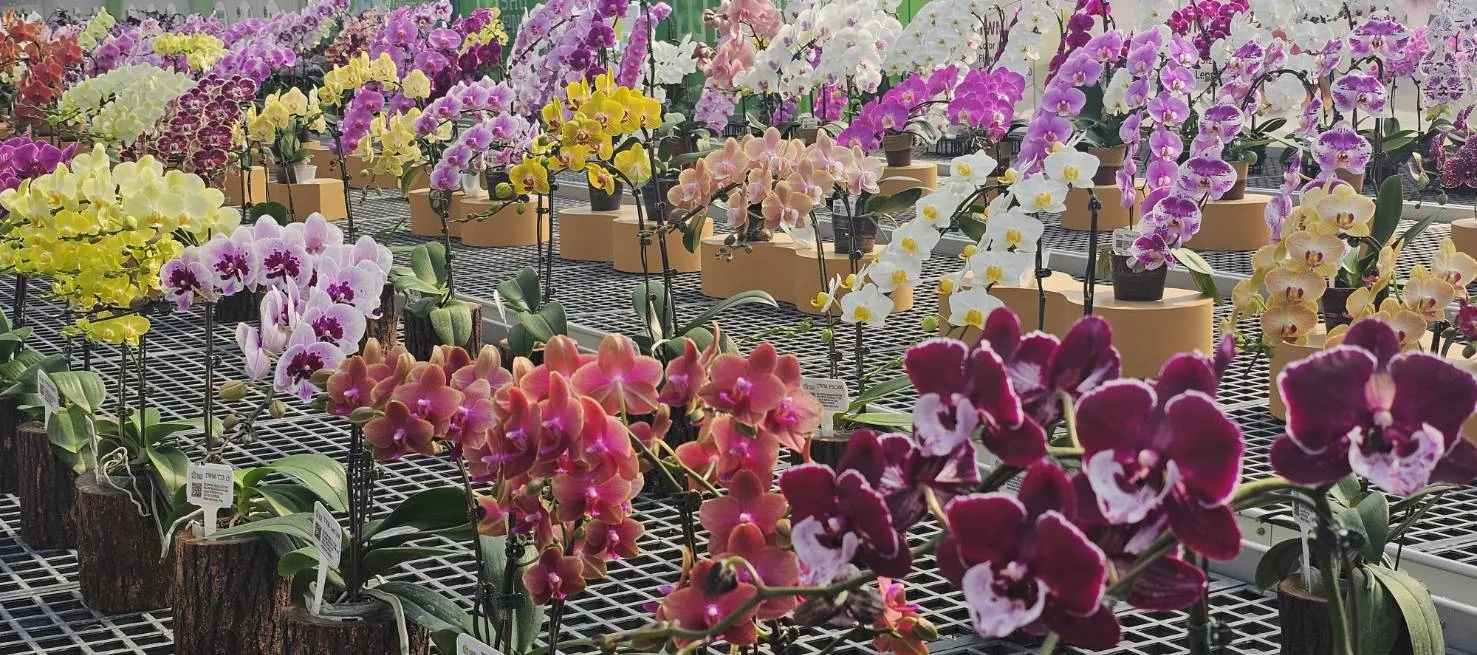
In Sothern Taiwan, Shu-Long Orchid operates an orchid production facility covering approximately 78,000 square meters.
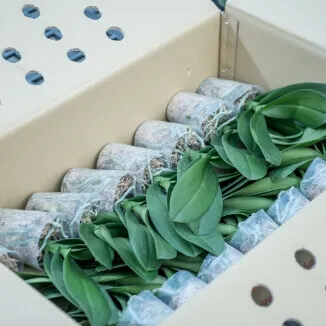
From tissue-culture seedlings and repotting to fertilization, environmental control, quality management, pre-cooling, and export, every orchid moves through a carefully managed process.
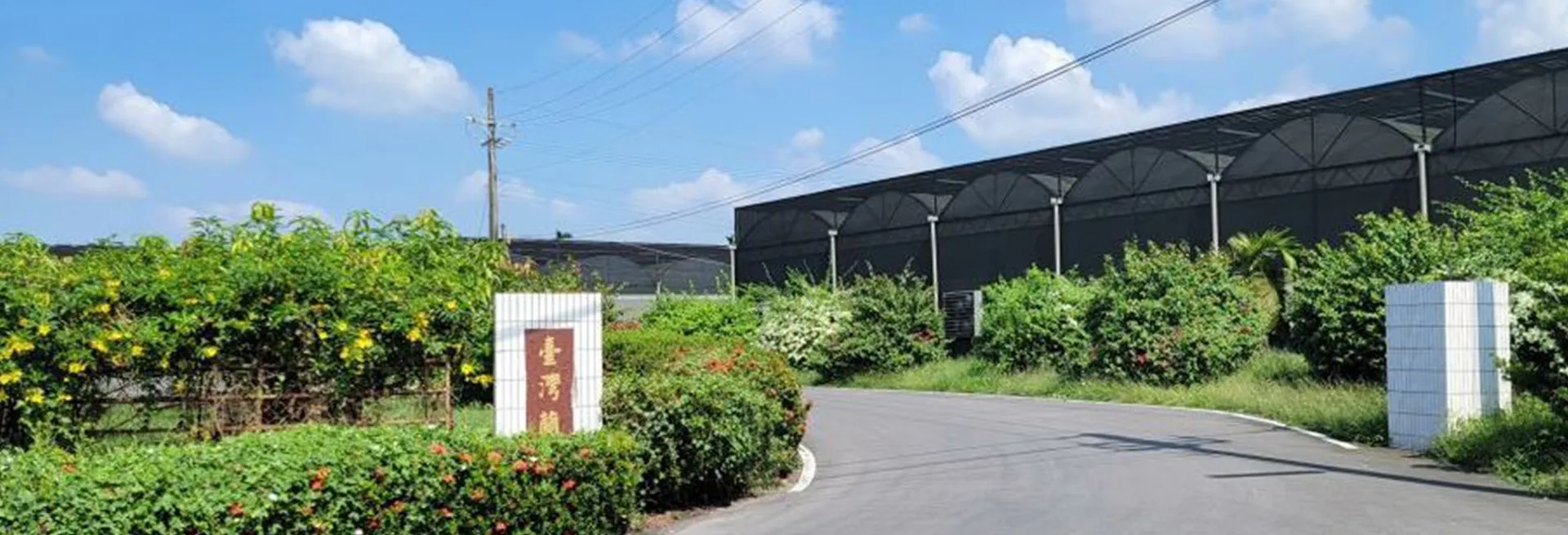
Shu-Long Orchid, founded in 1963, Shu-Long originally operated in the livestock industry. In 1997, as the business environment changed, the company made a major shift into commercial orchid production.
Starting with the Japanese market, Shu-Long gradually built its own breeding, production, and export system. Today, its orchids are shipped to more than 40 countries around the world.
At commercial scale, consistency matters at every stage. As production expands across international markets, each step in the growing process must remain as stable and reliable as possible.
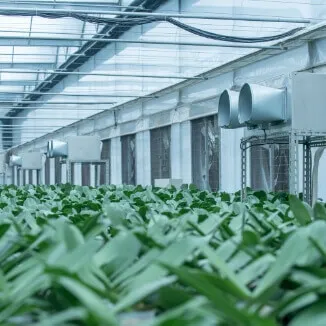
To support that level of control, Shu-Long has introduced automated temperature management, irrigation systems, remote monitoring, digital production management, ERP, Power BI, and molecular-marker-assisted breeding.
And it was within this highly structured production environment that Rolling Springs took on a much bigger challenge.
Bringing Something New into an Established System
For a professional grower, adding a new agricultural input to an already mature production system is never as simple as “giving it a try.”
It has to work with existing irrigation, fertilization, and production practices without adding unnecessary complexity.
This is especially for Orchid, which has a long production cycle. From young plants to export-ready orchids, management at every stage can influence the final quality.
Shu-Long’s practices emphasize stable light, temperature, and environmental conditions. Export plants must also withstand packaging, cold-chain handling, and extended transportation before reaching overseas customers.

This was the environment in which RichFarm Booster was first introduced.
Formulated with Bacillus amyloliquefaciens and Bacillus velezensis, RichFarm Booster was not intended to replace Shu-Long's established fertilization or cultivation program.
Instead, it was introduced as another tool within the existing system, with a focus on supporting the root-zone and microbial environment.
After the initial trial, the relationship did not end there.
Shu-Long Orchid eventually became a long-term customer of Rolling Springs.
For us, that is more meaningful than a single impressive trial result.
We do not have a dedicated control trial for this partnership, nor do we have a percentage that we can point to and say, “This is exactly how much performance improved.”
What we do have is years of practical use in Shu-Long's production environment, along with positive feedback from the cultivation team that RichFarm Booster has provided noticeable support in their orchid-growing practices.
So rather than attach a percentage that was never measured, we prefer to tell the story as it actually happened.
In commercial production, whether a product deserves to stay is not always decided by one trial. Sometimes, the answer becomes clear only after repeated use.
A Good Partnership Does Not Always Begin with Data
Shu-Long's success today is the result of years of accumulated expertise in breeding, facilities, technology, production management, and cultivation.
RichFarm Booster is not the reason behind everything Shu-Long has achieved, and we would never want to reduce decades of professional orchid-growing experience to the contribution of a single product.
It is better understood as one tool within a much larger and highly developed production system.
For Rolling Springs, what matters most is something much simpler :
RichFarm Booster was given a chance, and over time, it earned a place in Shu-Long Orchid's production practices.
SO WHY DO THEY KEEP USING IT ?
That is the question we want to explore next.
Rather than letting Rolling Springs speak for the product, we would rather hear from the people who actually use it :
Why did Shu-Long decide to try RichFarm Booster in the first place?
At which stages of orchid production is it currently used?
After years of use, what differences have growers actually noticed?
And most importantly, what made Shu-Long decide to keep using it?
In the next story, we will let Shu-Long answer those questions in their own words.
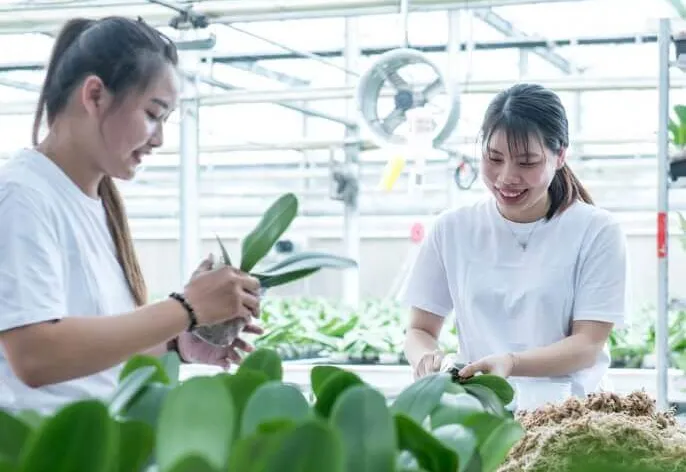
Every Grower Has Their Own Approach. Every Farm Operates Differently.
RichFarm Booster is part of the routine on farms with different crops and growing systems. Maybe your farm could be next.
Related articles
NOTICE
What Kept Alan Growing
At 紫皇果園, good fruit has always started with patience, the soil, and a willingness to keep going.
NOTICE
The Farmer Who Wasn't Afraid to Take a Chance
For Uncle Yuan, farming has never been about certainty. It is about understanding the land, making a decision, and seeing where it takes you.
NOTICE
Miss Shen: A Partnership That Began with Sugar Apples
From field trials in Taiwan to a wholesaler in China
NOTICE
Aunt Jhu Found Another Way Forward
When the market changed and her orchard began to struggle, Aunt Jhu did what experienced growers know best—adapt and keep moving forward.
NOTICE
It Started in a Rainy Field in Sichuan
Long before Rolling Greens expanded into markets around the world, one of its earliest steps overseas began in a field of Chinese Stem Mustard